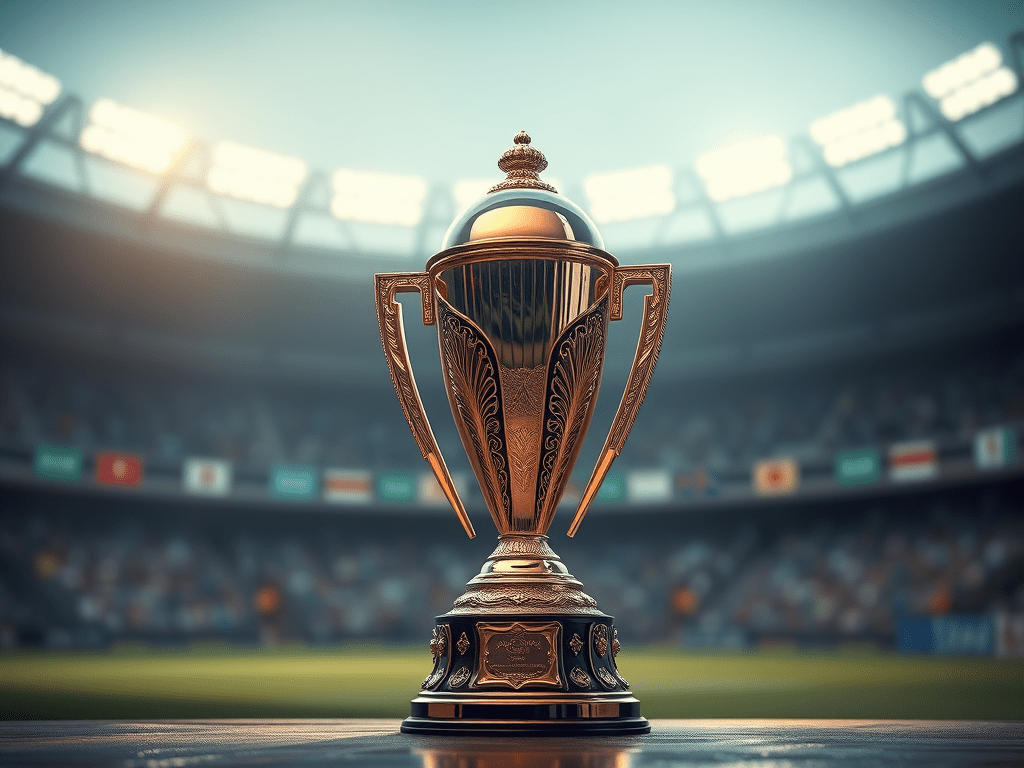
India refused to accept the Asia Cup trophy in the final because the trophy was to be presented by Mohsin Naqvi, who is the President of the Asian Cricket Council (ACC), Chairman of Pakistan Cricket Board (PCB), and also Pakistan’s Interior Minister.
The Indian Cricket Board (BCCI) stated that they didn’t want to take the trophy from Mohsin Naqvi because his political role and affiliation with Pakistan.
During the tournament, relations between the two sides were already in tense. Indian players had refused to shake hands with Pakistan players in multiple matches.
The Indian team wanted someone else to give them the trophy, but the request was denied. The presentation ceremony was delayed by over an hour. During the delay both teams and officials were negotiating and confusion over how to proceed. Mohsin Naqvi was seen walking away with the trophy.
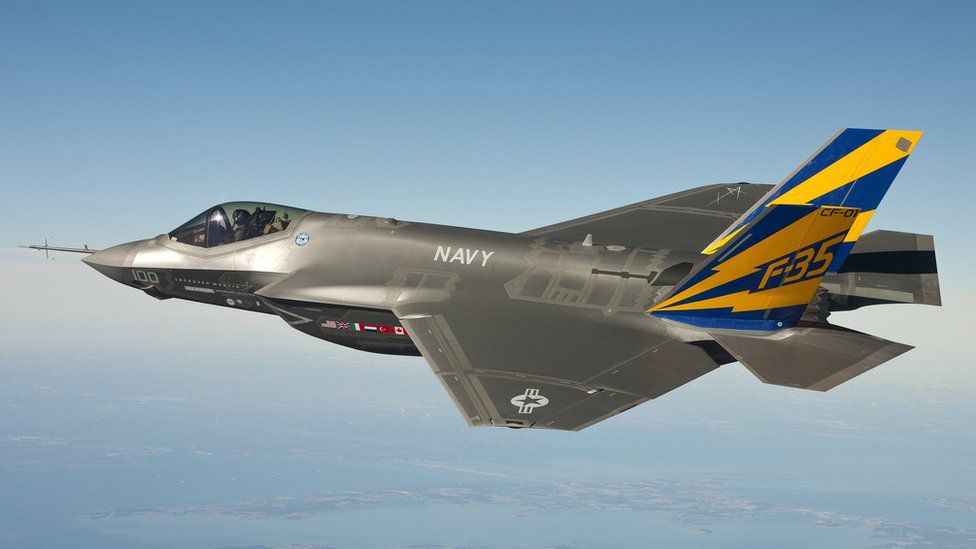
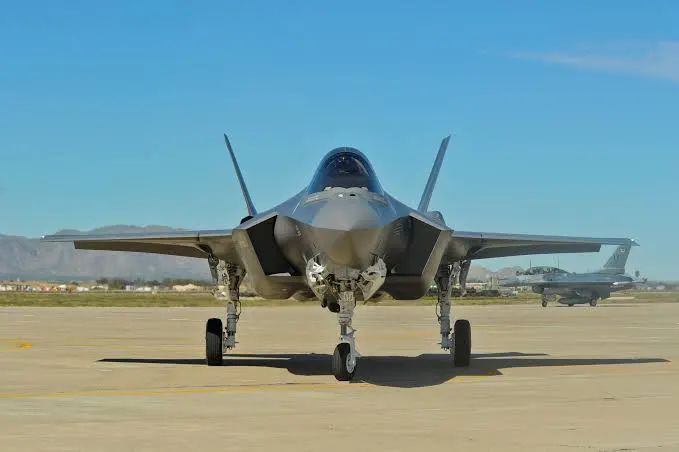
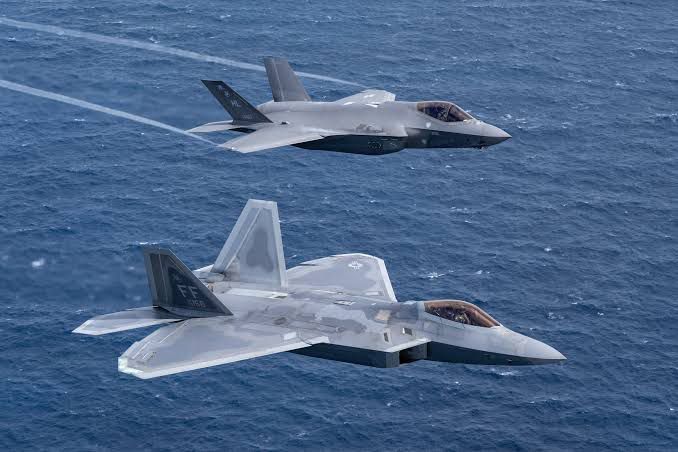
The Lockheed Martin F-35 lightning ll is a fifth generation, single seat , single engine fighter.
It use F-135 engine: The most powerful fighter engine ever developed.
It’s available in three variants:
A. F-35A
Conventional takeoff/landing.
It is used by US air force and allied air forces.
B. F-35B
Short takeoff and vertical landing.
It is used by US marine corps.
C. F-35C
Carrier variants
It is used by US Navy.
Features:
Max speed : Mach 1.6 (1975 km/h)
Combat radius: For F-35A & F-35C – 1240 km
For F-35B – 934 km
Thrust: F135 engine – 2800 lbf (dry)
43000 lbf (afterburner)
Payload: 8160 kg
Fuel capacity: Internal- 8400 L approx
Wingspan: 10.7 meters
Length: 15.7 meters
Height: 4.38 meters
Ceiling: Above 50000 feet (15 km)
The F-35’s electronics sensors include the Electro Optical Distributed Aperture System(DAS). This system provides pilots with situational awareness in the sphere around the aircraft for enhanced missiles warning, aircraft warning and day & night pilot vision.
The F-35’s is equipped with the Electro Optical Targeting System. It provides extended range detection and precision targeting against ground targets as well as long range detection of air to air threats.
The F-35’s helmet mounted display system is the most advanced system. All the intelligence and targeting information of the mission display on the helmets visor.
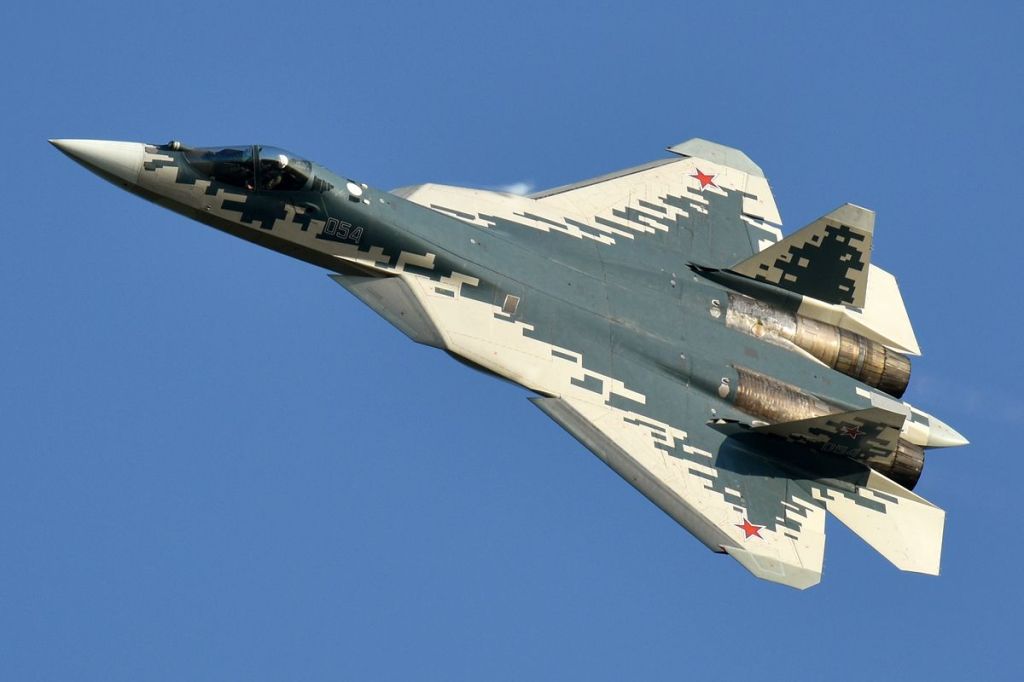
2. Sukhoi Su-57 Felon
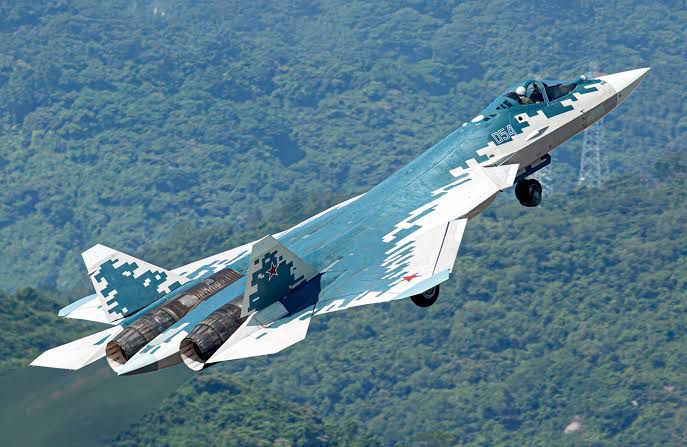
The Sukhoi Su-57 Felon is Russia’s fifth generation fighter.
The Sukhoi Su-57 is a twin engine stealth multirole fighter aircraft developed by Sukhoi.
The first Su-57 entered service with the Russian Aerospace Forces in December 2020.
Features:
Speed: Mach 1.6-Mach 2
Supercruise: Yes
Payload : 9980 Kg
Trust : 2D vectoring
Wingspan: 13.95 meters
Height: 4.74 meters
Length: 19.8 meters
It is powered by AL-41F1 engine , it reaches speed of Mach 2 (2470km/h) and has a range of 3500km.
The Su-57 is equipped with the N036 Belka Radar System can carry variety of weapons.
Russia plans to produce over 70 units with each costing between $40-$50 millions.
Su-57 can jam, spoof or mislead enemy radars and missiles using it’s internal EW systems.
Designed to operate with advanced Russian C41SR networks, allowing seamless sharing of target and battlefield data across air and ground units.
Use GLONASS (Russian GPS) for precision targeting.
It also have Missile Approach Warning System.
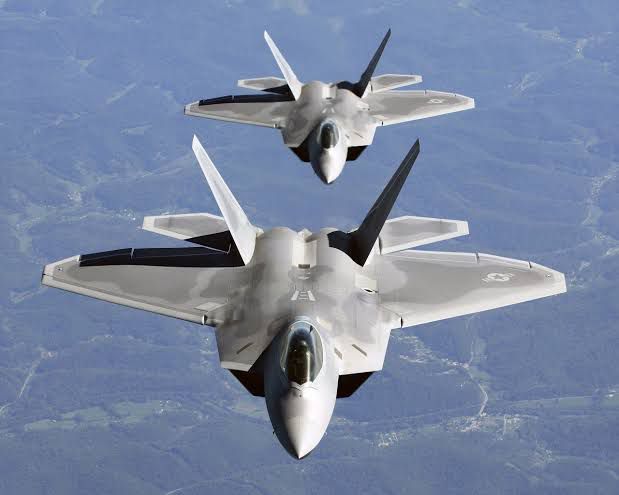
3. Lockheed Martin F-22 Raptor
Lockheed Martin F-22 Raptor is a fifth generation fighter.
It can maintain supersonic speed (above 1.5 Mach ) without afterburner.
The first F-22 was rolled out in 1997 and it become operational in 2005.
The F-22 is designed to establish and maintain air superiority projecting power and defeating potential threats.
It is powered by two F119-PW-100 engines.
Features:
Speed : Mach 2.25 (around 2414 km/h)
Supercruise: Yes
Combat radius: 850 km
Ceiling: 65000 feet (20 km)
Wingspan: 13.56 meters
Height: 5.08 meters
Length: 18.92 meters
The F-22 engines produce more thrust than any current fighter engine.
The F-22 has a significant capability to attack surface targets.
The F-22 will have better reliability and maintainability than any fighter aircraft in history. Increased F-22 reliability and maintainability pays off in less manpower required to fix the aircraft and the ability to operate more efficiently.
Steel is an alloy of iron and carbon with improved strength and fracture resistance compared to other forms of iron. Because of its high tensile strength and low cost, steel is one of the most commonly manufactured materials in the world. Steel is used in buildings, as concrete reinforcing rods, in bridges, infrastructure, tools, ships, trains, cars, bicycles, machines, electrical appliances, furniture, and weapons.
Besides iron and carbon, steel is alloyed with many different elements depending on the properties aimed. The common alloying elements are manganese, nickel, chromium, molybdenum, vanadium, silicon, boron, aluminum, niobium, and titanium,but there are many others too.
Here’s a more detailed look at some common alloying elements and their effects:
• Carbon: The primary alloying element of steel, increasing strength, hardness, and mechanical resistance, but also decreasing malleability, ductility, and toughness.
• Manganese: Enhances strength, hardness, and resistance to wear and tear.
• Nickel: Improves corrosion resistance, good workability, and high strength at elevated temperatures.
• Chromium: Increases hardenability, corrosion resistance, and yield strength, often used in combination with nickel.
• Molybdenum: Improves strength, hardness, and resistance to high temperatures and corrosion.
• Vanadium: Enhances strength, particularly in high-carbon steel alloys and high-speed tool steels.
Rohit Sharma will lead the 15 member ODI team in the champion trophy 2025.
Returning to the international schedule after eight years, the Champions Trophy will be held in a hybrid model with India playing their matches in Dubai while the remaining games will be held in three venues in Pakistan. India will open their campaign on February 20 against Bangladesh, followed by group games against Pakistan and New Zealand in the eight-team tournament.
Jasprit Bumrah is going to miss the first two matches against England in the ODIs and the India pacer’s medical report is awaited early February, according to BCCI chairman of selectors Ajit Agarkar. Agarkar, along with captain Rohit Sharma announced India’s 15-member squad for the Champions Trophy on Saturday in Mumbai.
At the moment what we have been told is that Bumrah is not on position to play the first couple of games. We are waiting on Jasprit Bumrah’s fitness and will know his status in early February from BCCI’s medical team: Chief selector Ajit Agarkar,” Agarkar told media while announcing the squad.
Udaipur, a city in the Indian state of Rajsthan, is known as the “city of lakes”.
The city is surrounded by the Aravali hills and is known for it’s Palaces, mountains and tiger gardens.
Keys features of Udaipur:
1. LAKES: Udaipur is famous for its artificial lakes, which were built by the rulers of the Mewar kingdom. The most prominent lakes include:
Lake Pichola: This is the most famous lake in Udaipur, surrounded by historic buildings, temples, and ghats. It is home to the iconic Lake Palace (Jag Niwas) and Jag Mandir, which are both located in the middle of the lake.
Fateh Sagar Lake: Another scenic lake offering boat rides and views of the surrounding hills.
Swaroop Sagar and Rana Sagar are other smaller lakes that add to the charm of the city.
2. PALACES AND FORTS
City Palace: The largest palace complex in Rajasthan, located on the eastern banks of Lake Pichola. It is an architectural marvel with numerous courtyards, balconies, and rooms showcasing intricate designs. The palace offers a stunning view of the lake and the city.
Lake Palace: A former royal residence located on Lake Pichola, this palace is now a luxury hotel and is famous for its beauty, appearing to float on the water.
Jag Mandir: Another palace on Lake Pichola, once a retreat for the Mewar rulers.
Sajjangarh Palace (Monsoon Palace): Perched on a hilltop, this palace offers panoramic views of the city and its lakes, especially during the monsoon season.
3. CULTURE AND HERITAGES
Udaipur is a city rich in history and culture, with a long association with the Mewar dynasty. It has a vibrant tradition of music, dance, and crafts, including miniature paintings, terracotta sculptures, and the famous Pichwai paintings (religious and ornamental artworks).
The Bagore Ki Haveli Museum and the City Palace Museum house collections of artifacts, royal costumes, and paintings that tell the story of Udaipur’s history.
4. TEMPLES:
Udaipur is home to several important temples, such as:
Jagdish Temple: A 17th-century Hindu temple dedicated to Lord Vishnu, famous for its intricate carvings and architecture.
Eklingji Temple: Located on the outskirts of Udaipur, this temple complex is dedicated to Lord Shiva and is a significant religious site in the region.
5. FESTIVALS AND EVENTS
Udaipur celebrates many traditional festivals with grandeur, including Diwali, Holi, and Teej.
The Mewar Festival, which coincides with the arrival of spring, is one of the most celebrated festivals in Udaipur, featuring music, dance, and processions.
6. CUISINE:
Udaipur offers a rich culinary experience, with dishes that reflect its royal heritage. Popular dishes include dal baati churma, gatte ki sabzi, and ker sangri. Udaipur is also known for its sweets like mawa kachori and rabri.
7. TOURISM:
Udaipur attracts visitors for its unique combination of heritage, architecture, and natural beauty. In addition to sightseeing, tourists enjoy activities like boat rides on Lake Pichola, visiting traditional markets like Hathi Pol Bazaar and Bada Bazaar, and shopping for local handicrafts.
Manali is a popular hill station in Himachal Pradesh, India, known for its scenic beauty, pleasant climate, and adventure activities. It is located in the northern part of the country, nestled in the Beas River Valley. Manali is famous for its snow-capped mountains, lush greenery, and opportunities for trekking, skiing, paragliding, and river rafting. Key attractions include the Rohtang Pass, Solang Valley, Hidimba Temple, and the old town with its traditional wooden architecture. Manali is a favorite destination for nature lovers and adventure enthusiasts alike.
It offers a perfect blend of nature, adventure, and culture. Here are some more highlights of Manali:
1 ROHTANG PASS
Located about 51 km from Manali, Rohtang Pass is a major tourist destination, especially for snow sports like skiing, snowboarding, and snowball fights. It also offers panoramic views of snow-covered peaks.
2 SOLANG VALLEY
Known for its picturesque landscape and adventure activities, Solang Valley is a hotspot for paragliding, zorbing, skiing, and horse riding. It’s a great place for both beginners and seasoned adventurers.
3 HIDIMBA TEMPLE
This ancient temple, dedicated to Hidimba, the wife of Bhima from the Mahabharata, is situated in the midst of a cedar forest. Its unique architecture, featuring a pagoda-style structure, makes it a popular cultural and spiritual spot.
4 OLD MANALI
Old Manali offers a more laid-back and peaceful vibe compared to the bustling main town. It is dotted with traditional wooden houses, cafes, and boutique shops. It is also a good base for trekkers heading to the nearby villages and high-altitude treks.
5 MANALI SANCTUARY
A haven for wildlife enthusiasts, the Manali Sanctuary offers a chance to see diverse flora and fauna. It’s home to animals such as the Himalayan Monal, musk deer, and leopards, along with a variety of plants and trees.
6 TREKKING AND ADVENTURE
Manali is renowned for its trekking trails, including the Great Himalayan National Park Trek, Beas Kund Trek, and the Chandrakhani Pass Trek. These trails provide breathtaking views of the surrounding mountain ranges and valleys.
7 KULLU VALLEY
Often combined with a visit to Manali, Kullu Valley is famous for its lush greenery, apple orchards, and the Beas River. The Kullu Dussehra, a festival celebrating Lord Rama, is a major cultural event held annually.
8 ATTRACTION FOR RELAXATION
Beyond adventure, Manali offers serene spots for relaxation, such as the hot springs in Vashisht and the peaceful Beas River banks.
9 SHOPPING AT MALL ROAD
Manali’s Mall Road offers a vibrant market with handicrafts, woolen clothes, and local souvenirs, perfect for those looking to take home a piece of the hill station’s charm.
10 CULTURAL SINGNIFICANCE
Manali is not only known for its natural beauty but also for its cultural and religious importance, with numerous temples, monasteries, and festivals that reflect the heritage of the region.
Manali is an all-year-round destination, with summer being great for sightseeing and outdoor activities, and winter offering a magical snow-covered landscape. Whether you seek adventure or tranquility, Manali provides a perfect escape from the routine.
KASHMIR (JAMMU & KASHMIR)
Kashmir, in the context of India, refers to the northernmost region of the country, located in the state of Jammu and Kashmir. Historically, the region has been a center of rich culture, religious diversity, and natural beauty, known for its majestic mountains, lush green valleys, and scenic lakes like Dal Lake in Srinagar.
The region is significant both culturally and geopolitically. Jammu and Kashmir was a princely state at the time of India’s independence in 1947. Following independence, the region became a subject of dispute between India and Pakistan, both of which claim it in its entirety, while India administers roughly two-thirds of the region. This dispute has led to several wars and ongoing tensions between the two countries.
In August 2019, the Indian government revoked Article 370 of the Indian Constitution, which granted special autonomy to Jammu and Kashmir, and bifurcated the state into two Union Territories: Jammu & Kashmir and Ladakh. This move has sparked political debate and has had significant implications for the region’s governance, security, and local populations.
Kashmir in India is known for its stunning landscapes, including the famous houseboats and gardens in Srinagar, as well as its rich traditions in art, music, and cuisine. However, the region has also been affected by political unrest and security challenges due to the longstanding territorial dispute.
Some notable natural attractions include:
SRINAGAR: The summer capital of Jammu and Kashmir, famous for Dal Lake, houseboats, and Mughal gardens.
GULMARG: Known for its ski resorts and as one of the most popular winter tourism destinations in India.
PAHALGAM: A scenic town situated on the banks of the Lidder River, famous for its trekking routes and religious significance in the Amarnath Yatra.
SONAMARG: Known for its meadows and as a base for treks in the region.
China is experiencing outbreak of Human Metapenumovirus(HMPV)-a virus that’s lead upper and lower respiratory infection.it affects individuals of all ages , including young children,the elderly,and those with weak immune system. The virus was first indetified in 2001.



 The Indian Post